
Implementation period: 01.02.2026 – 31.07.2028
Reference number: KA220-YOU-F8E296AC
Programme: Erasmus+ – Cooperation Partnerships in Youth (KA220-YOU)
Project coordinator: POKHARA (Spain)
Partners: ASOCIATIA NEVO PARUDIMOS (Romania), UNIVERSIDAD DE CASTILLA-LA MANCHA (Spain), Eclectica+ Ricerca e Formazione Impresa Sociale srl (Italy), Studierende für eine sinnvolle Drogenpolitik Weltweit – SSDP (Austria), CPM-Centrum prevencie mladeze (Slovakia), ASSOCIACAO KOSMICARE (Portugal)
Project budget: EUR 250,000
The BUILDING HEALTHIER GENERATIONS (BHG) project aims to contribute to the prevention of addictive behaviours among young people across Europe through the development of innovative methods of intervention, education, and awareness-raising. The initiative brings together European organisations and institutions with expertise in youth work, mental health, substance use prevention, and social inclusion.
The project responds to the growing need for modern, evidence-based approaches to preventing substance use and other risk behaviours among young people. Through international cooperation, social research, and the direct involvement of young people, project partners will develop tools and resources tailored to the realities and challenges faced by today’s younger generations.
The initiative seeks to support youth workers, educators, and organisations active in the field by strengthening their competences and providing them with the tools needed to effectively prevent addictive behaviours and promote healthier and safer environments for young people.
Aim and objectives
The main aim of the project is to develop effective and innovative strategies for preventing addictive behaviours among young people while strengthening the capacity of organisations working in the youth sector.
Objectives:
- Identify and promote effective strategies for preventing addictive behaviours among young people.
- Conduct an evidence-based comparative analysis to develop an adaptable European prevention framework.
- Train youth workers and professionals from the social and educational sectors in the use of innovative prevention tools.
- Increase young people’s awareness and active involvement in promoting healthy lifestyles.
- Strengthen European cooperation among organisations active in substance use prevention, mental health, and social inclusion.
- Ensure the effective dissemination and practical application of project results at local and international levels.
Main activities
- Organising study visits and exchanges of good practices among partner organisations.
- Conducting social research and surveys involving young people from participating organisations.
- Developing the “Young Ambassadors of Change” programme aimed at actively engaging young people in the prevention of risk behaviours and the promotion of healthy lifestyles.
- Implementing pilot initiatives and local awareness-raising activities.
- Creating educational resources and prevention tools for youth workers.
- Organising local and international conferences dedicated to the prevention of addictive behaviours.
- Developing an online platform for the exchange of good practices and cooperation among organisations.
- Implementing dissemination and promotion activities for project results at local, national, and European levels.
Expected results
- Development of a European guide based on research findings related to the prevention of addictive behaviours among young people.
- Creation of a training toolkit for youth workers and professionals involved in prevention activities.
- Development of an online platform for sharing good practices and educational resources.
- Increased capacity of partner organisations to implement effective, evidence-based interventions.
- Increased awareness and engagement of young people regarding the risks associated with substance use and other addictive behaviours.
- Strengthened international cooperation among organisations and institutions active in the fields of health, education, and youth.
- Promotion of policies and practices based on inclusion, mental health, and harm reduction among young people.
The project is funded by the Erasmus+ Programme of the European Union.
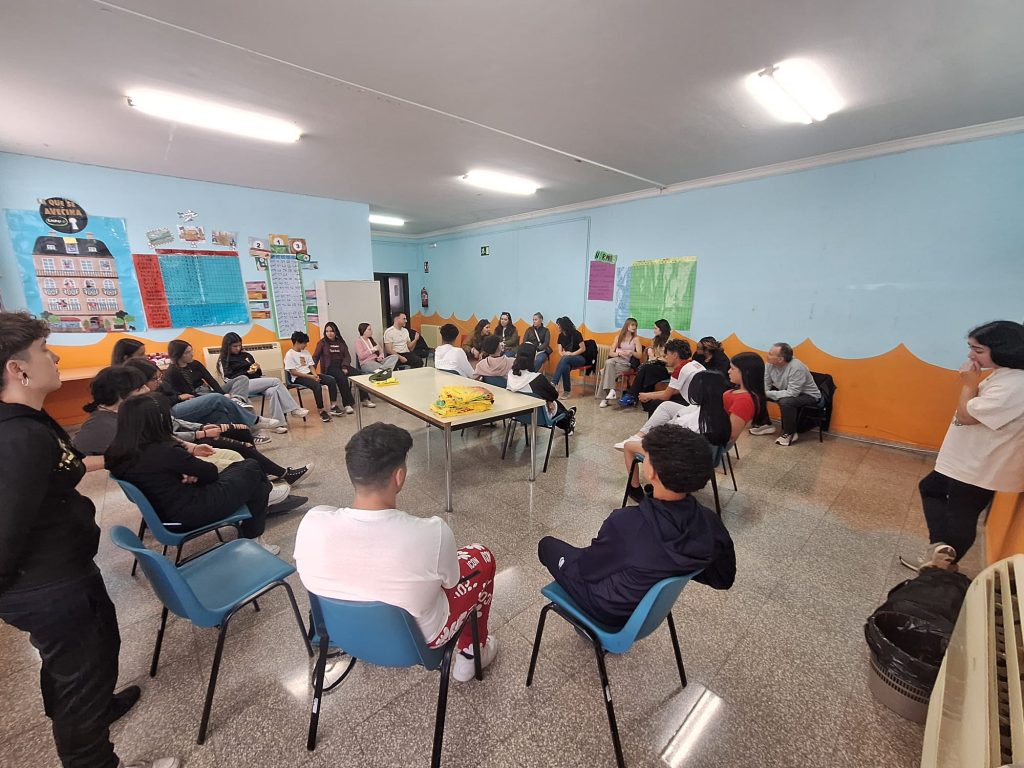
STUDY VISIT – SPAIN
25-29.03.2026



Disclaimer
The views and opinions expressed are those of the authors only and do not necessarily reflect those of the European Union or the European Education and Culture Executive Agency (EACEA). Neither the European Union nor the granting authority can be held responsible for them.